
June 12-14, 2026 | Tianjin, China | CAIBDA 2026
The 2026 6th International Conference on Artificial Intelligence, Big Data and Algorithms (CAIBDA 2026) was successfully held in Tianjin from June 12 to 14, 2026. The conference was hosted by Tianjin University of Science and Technology and organized by the College of Artificial Intelligence, Tianjin University of Science and Technology, with co-organization by Management and Science University (Malaysia) and the Tianjin International Joint Research Center for "Intelligent Computing and Biometrics."

The conference brought together numerous experts and scholars from home and abroad, who engaged in in-depth exchanges through keynote speeches, oral presentations, poster sessions, and award evaluations. The event fostered a strong academic atmosphere, frequent intellectual exchanges, and enthusiastic responses. A total of three Best Paper Awards, three Outstanding Poster Awards, and three Outstanding Oral Presentation Awards were granted. Participants discussed the latest hotspots, research findings, technological innovations, and application cases in the fields of artificial intelligence, big data, and algorithms, which not only facilitated the sharing of cutting-edge advances but also laid a solid foundation for future interdisciplinary collaboration.
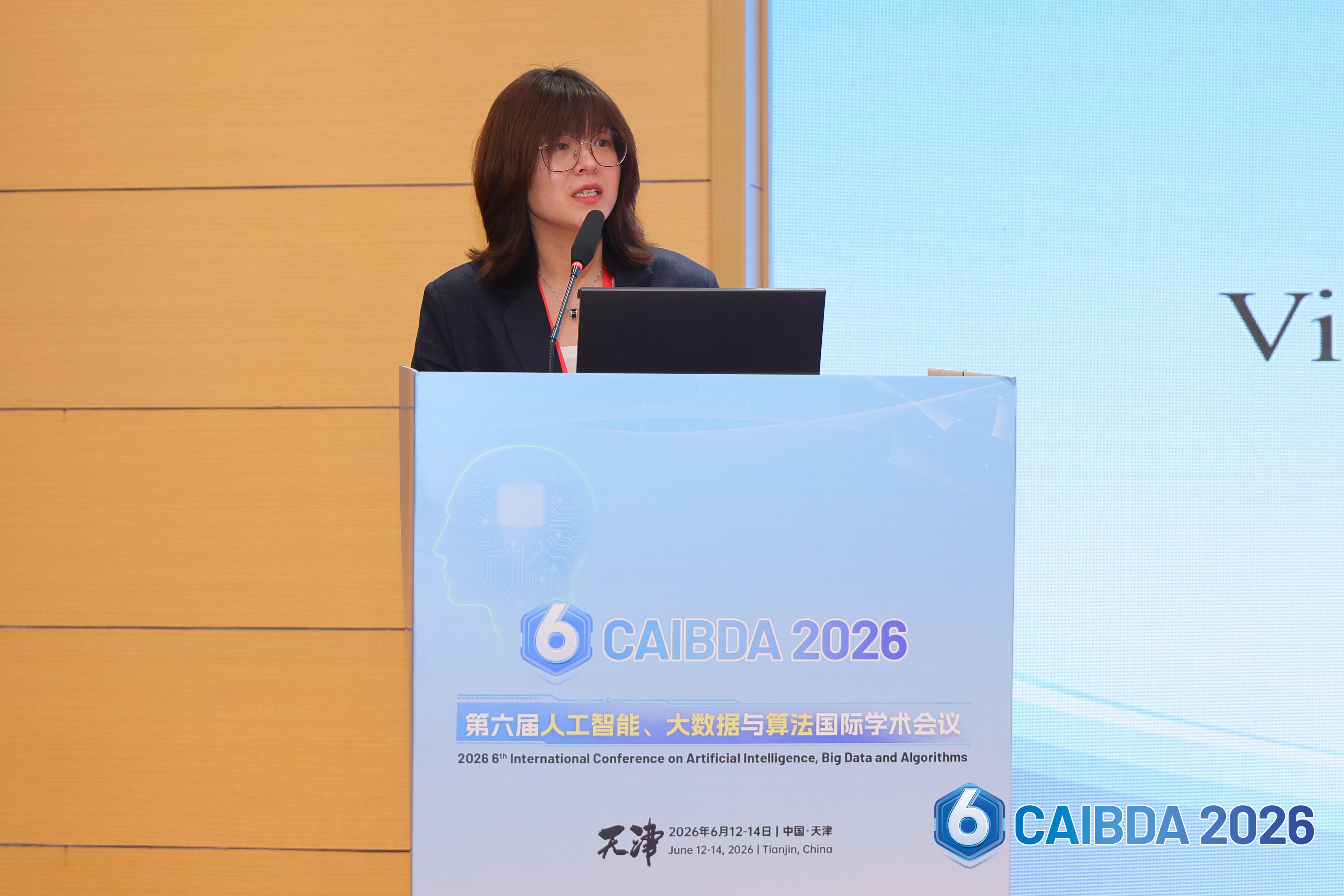
Opening Ceremony-Prof. Tingting Zhao, Vice Dean of the School of Artificial Intelligence, Tianjin University of Science and Technology, China
The opening ceremony was chaired by Vice Dean Zhao Tingting of the College of Artificial Intelligence, Tianjin University of Science and Technology. Vice President Gao Faming of Tianjin University of Science and Technology delivered the opening address, extending a warm welcome to the leaders, distinguished guests, experts, and scholars present. Vice President Gao noted that the university would take this conference as an opportunity to stand at a higher starting point, vigorously promote the deep integration of industry, academia, and research, deepen university-enterprise cooperation, and continue to support innovation and development in the fields of artificial intelligence, big data, and algorithms.
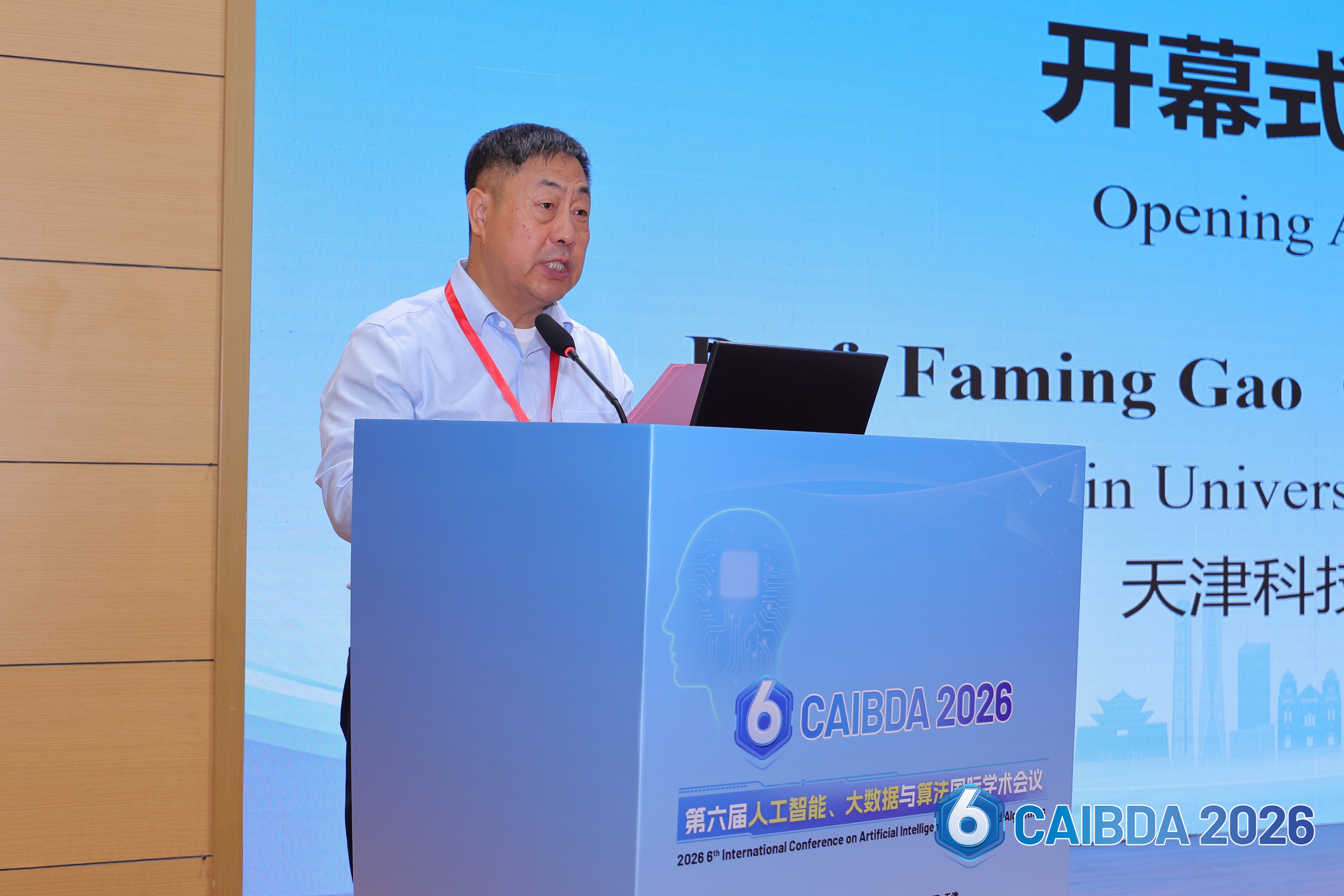
Opening Address-Prof. Fanming Gao, Vice President of Tianjin University of Science and Technology, China
During the morning keynote session, five leading scholars were invited to deliver keynote speeches in succession: Professor Zhang Daqing from Peking University, Professor Wang Jianmin from Tsinghua University, Professor Shan Caifeng from Nanjing University, Professor Gao Zan from Tianjin University of Technology, and Senior Engineer Li Peishun from the National Supercomputing Center in Tianjin. Their talks provided in-depth insights into cutting-edge directions including "Intelligent Contactless Sensing Based on WiFi and SparkLink Wireless Signals," "Architecture and Key Technologies of Industrial Time-Series Data Intelligence Systems," "Video-Based Contactless Vital Sign Monitoring," "Research on Risk Content Identification Algorithms for Social Media in Open Environments," and "AI+HPC Dual-Driven New Drug Development." Combining theoretical depth with forward-looking vision and progressing from industrial implementation to fundamental theoretical innovation, the experts' presentations offered attendees a high-level academic feast.
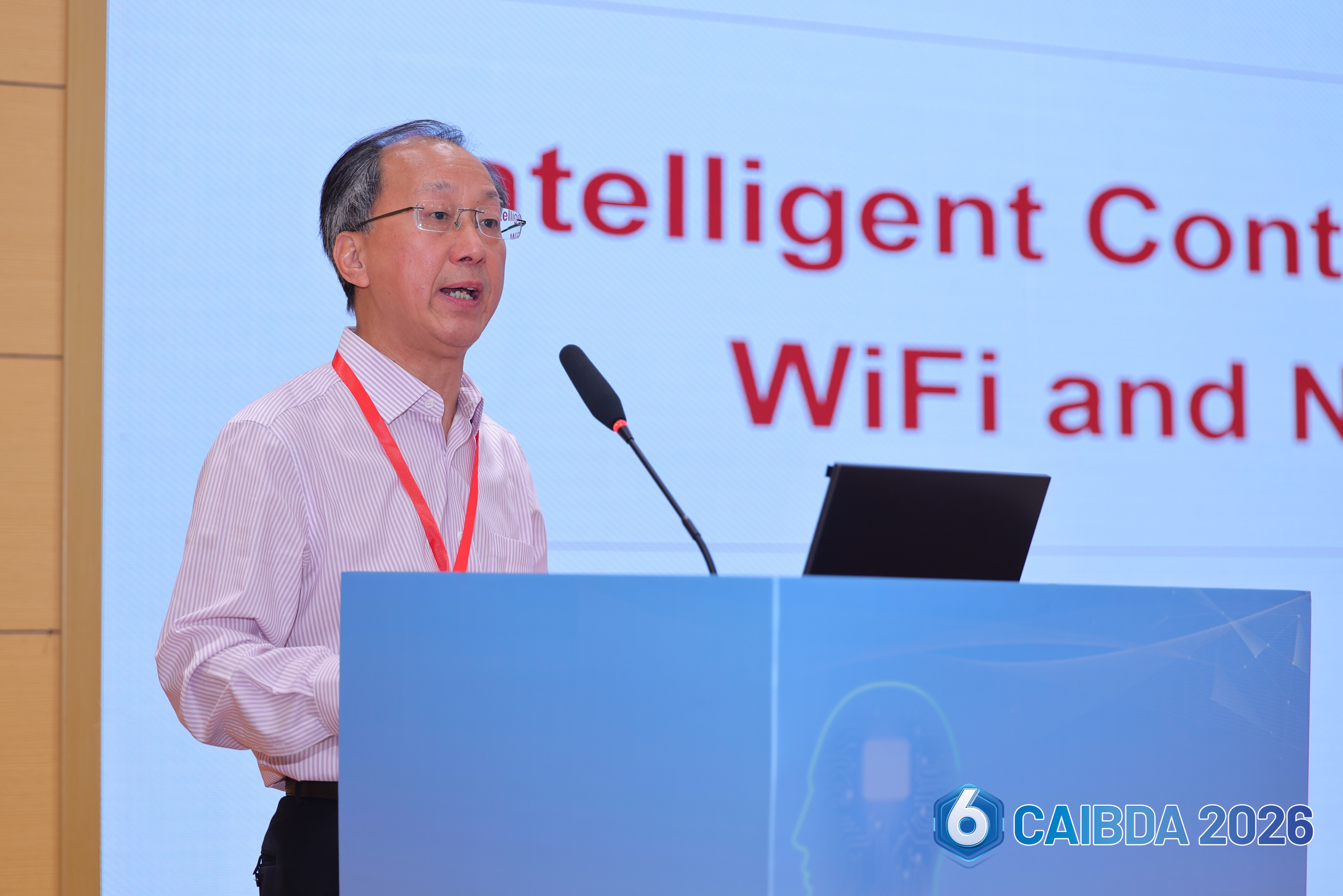
Keynote Speech 1:
Intelligent Contactless Sensing with WiFi and NearLink Signals
Prof. Daqing Zhang, Peking University, China
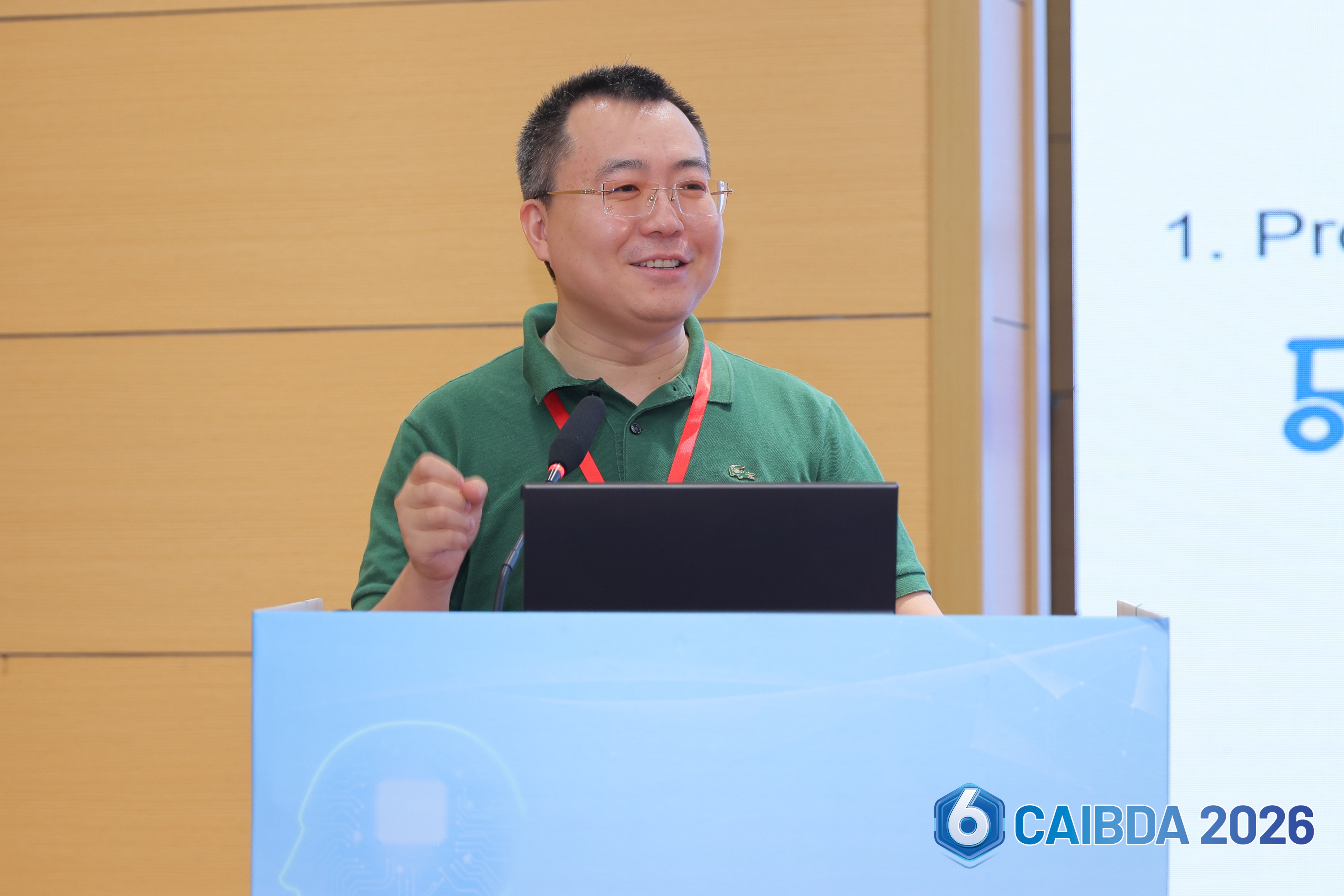
Keynote Speech 2:
Architecture and Key Technologies of Industrial Time-Series Data Repository
Prof. Jianmin Wang, Tsinghua University, China
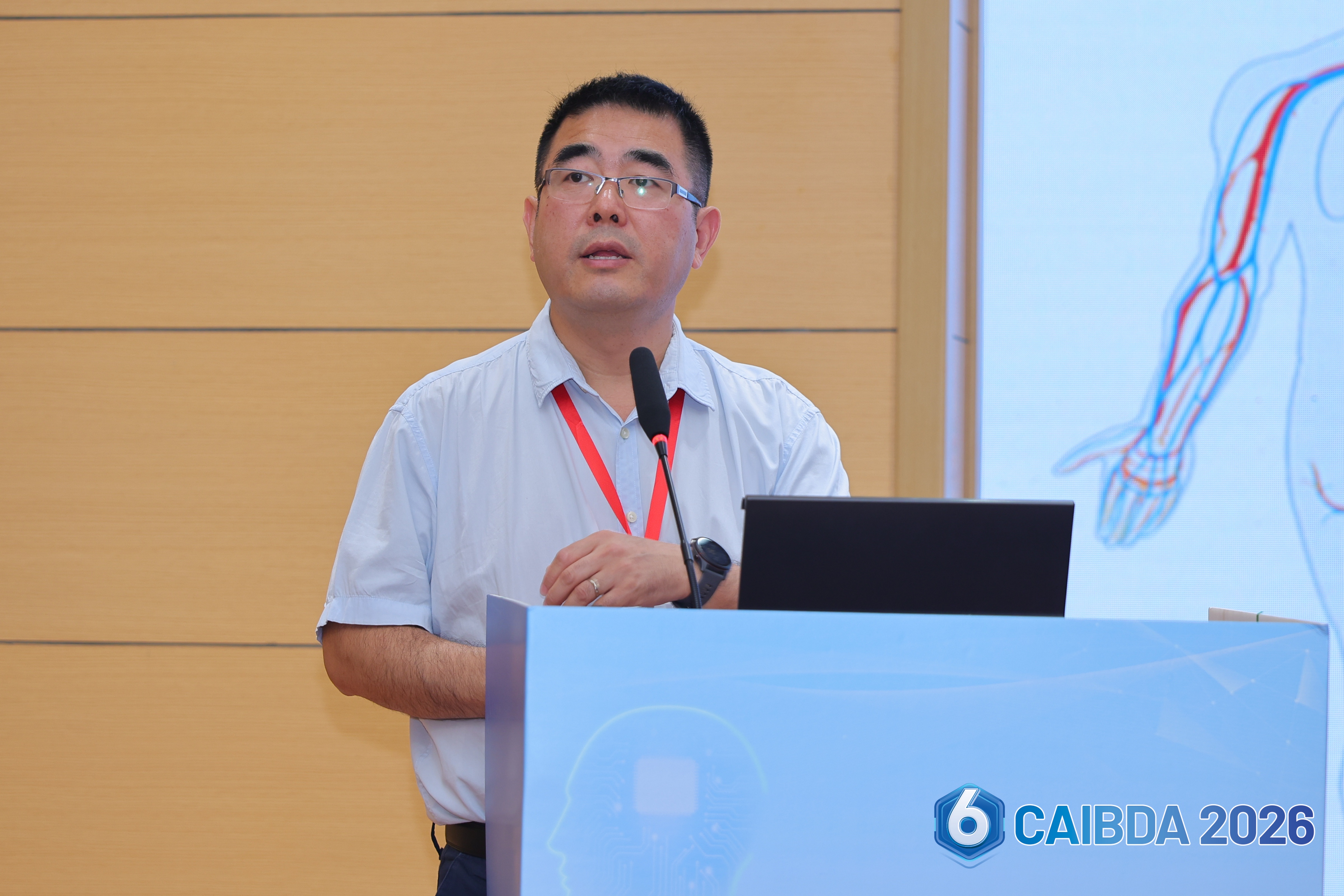
Keynote Speech 3:
Camera-based Physiological Measurement
Prof. Caifeng Shan, Nanjing University, China
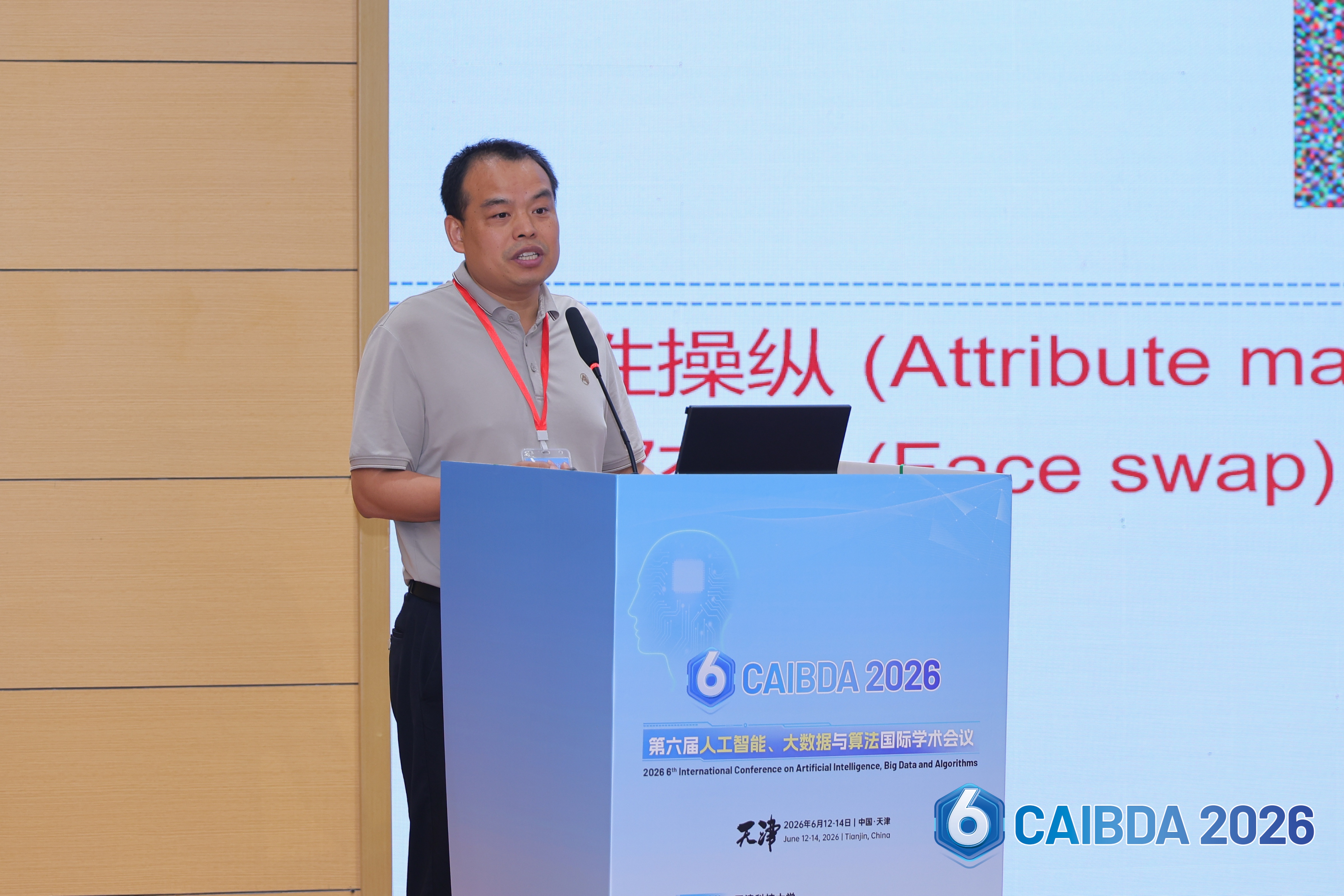
Keynote Speech 4:
Social Media Risk Content Recognition in Complex Open Environments
Prof. Zan Gao, Tianjin University of Technology, China
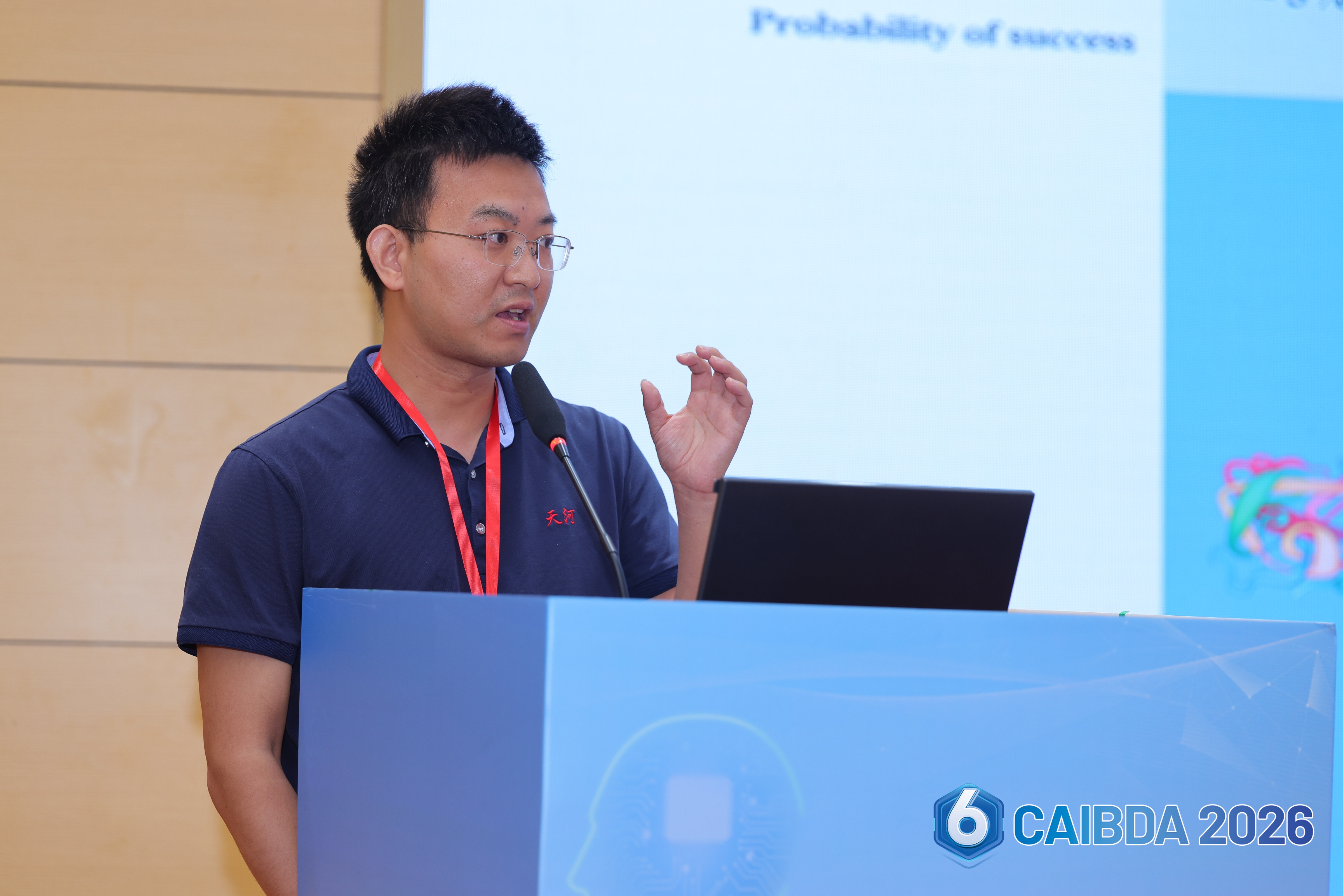
Keynote Speech 5:
Novel Drug Discovery Driven by AI and HPC
Senior Engineer Peishun Li, National Supercomputer Center in Tianjin, China

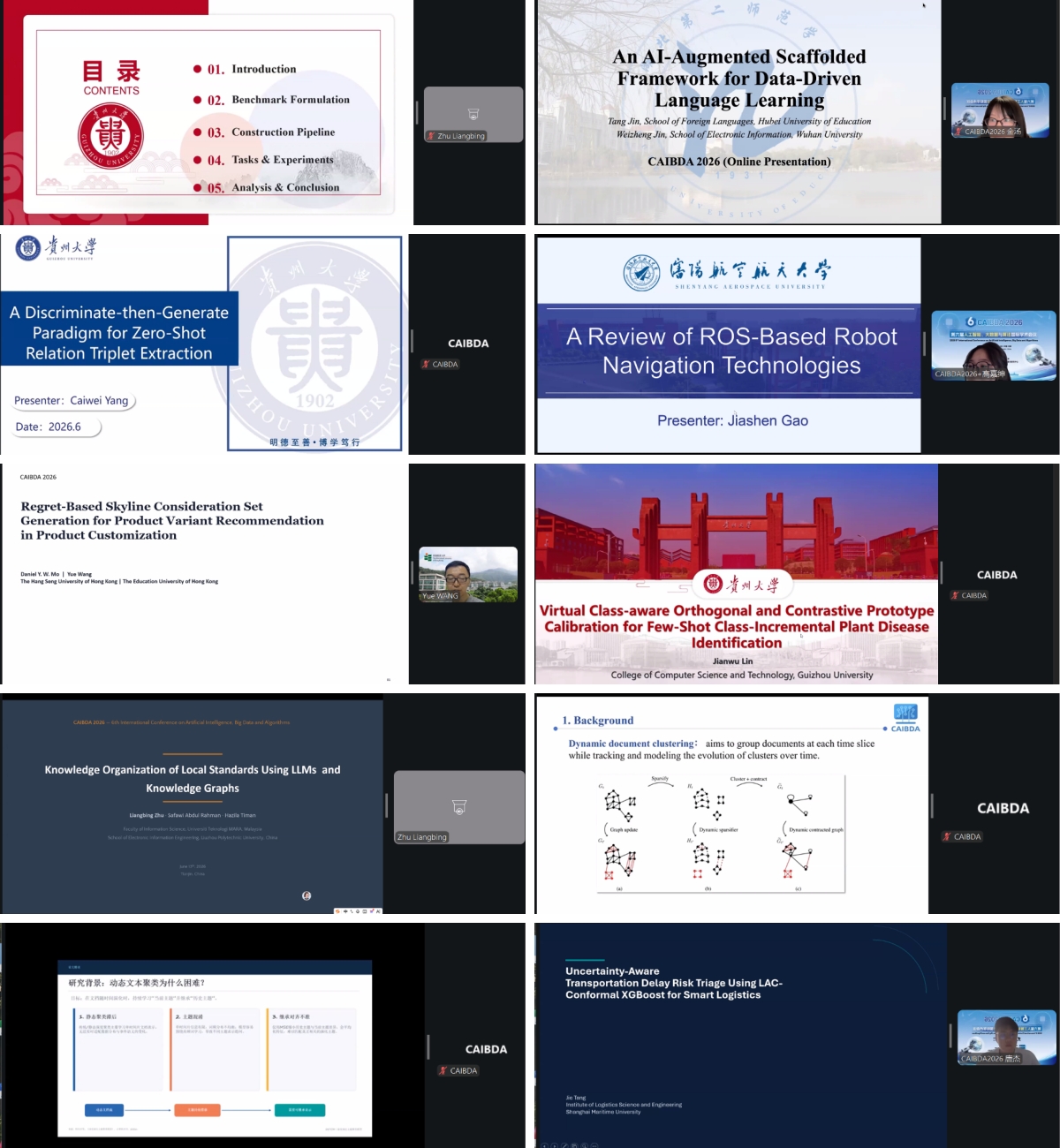
The oral presentation session was held in the afternoon, chaired by Associate Professor Zhang Yanan from Tianjin University of Science and Technology. During the session, young scholars from the National University of Defense Technology, Chengdu University of Technology, Tianjin University of Science and Technology, Civil Aviation University of China, Shanxi Agricultural University, Qingdao University of Science and Technology, Inner Mongolia University of Science and Technology, Zhengzhou University of Aeronautics, Qinghai Minzu University, Guizhou University, Yantai University, and other institutions presented their latest research findings on topics related to artificial intelligence, big data, and algorithms. The on-site Q&A session was lively, with new ideas and inspirations constantly emerging from academic exchanges, fully demonstrating the research vitality and innovative potential of young scholars.

The conference attracted widespread attention from scholars. Based on a comprehensive evaluation of paper quality, poster quality, and on-site presentation performance, the organizing committee selected three Best Paper Awards, three Outstanding Poster Awards, and three Outstanding Oral Presentation Awards.

The successful hosting of this conference not only deepened mutual understanding among scholars at home and abroad in the fields of artificial intelligence, big data, and algorithms, but also established an important platform for promoting technological innovation and the translation of research outcomes. The conference effectively facilitated research collaboration, project cooperation, and talent exchange, injecting new momentum into the construction of a broader international academic cooperation network. The College of Artificial Intelligence at Tianjin University of Science and Technology stated that it will continue to build high-level exchange platforms in the future, working hand in hand with experts and scholars at home and abroad to advance academic progress and technological development, and contributing wisdom and strength to the nation's high-level scientific and technological self-reliance and economic and social development.